🌿 Holistic Healing for Every Stage of Womanhood🌿
Restore balance and vitality with Traditional Chinese Medicine in Evanston, Illinois
Did you know that Traditional Chinese Medicine (TCM) offers powerful, time-tested support for women’s health? From menstrual irregularities and fertility challenges to prenatal care and menopausal symptoms, TCM treats the whole person—not just isolated symptoms.
At Lisa Meyerson Acupuncture in Evanston, Illinois, licensed acupuncturist Lisa Meyerson, LAc, specializes in holistic approaches rooted in ancient wisdom. Whether you're navigating hormonal shifts, preparing to conceive, or simply want to support your body more naturally, Lisa offers gentle, personalized care using acupuncture, herbal medicine, lifestyle guidance, and more.
Lisa proudly serves women throughout Cook and Lake County who are ready to feel more connected, centered, and well.
✨ Ready to begin your healing journey? Call 773-517-7187 or book online today.
How can acupuncture support women’s health?
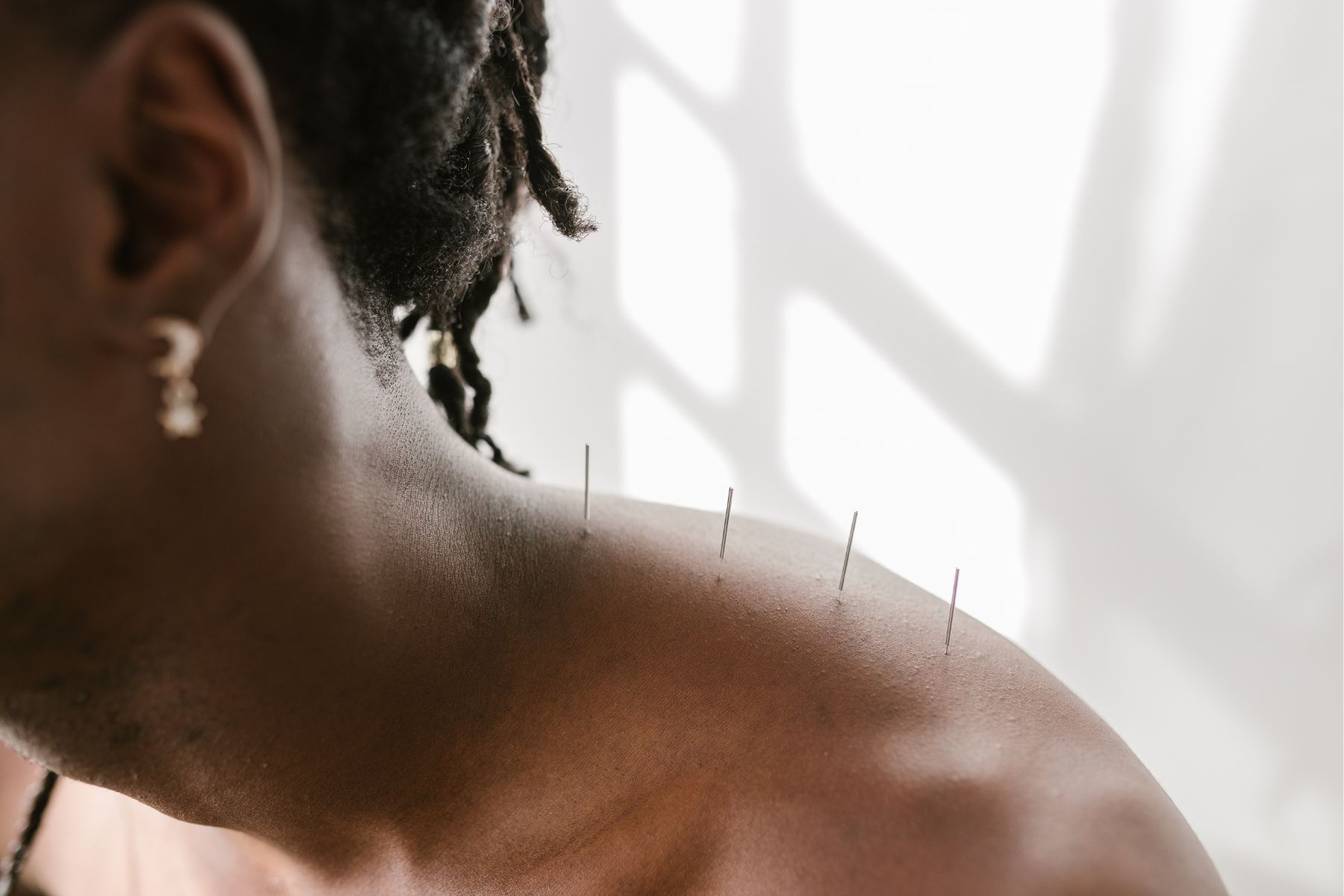
Fertility
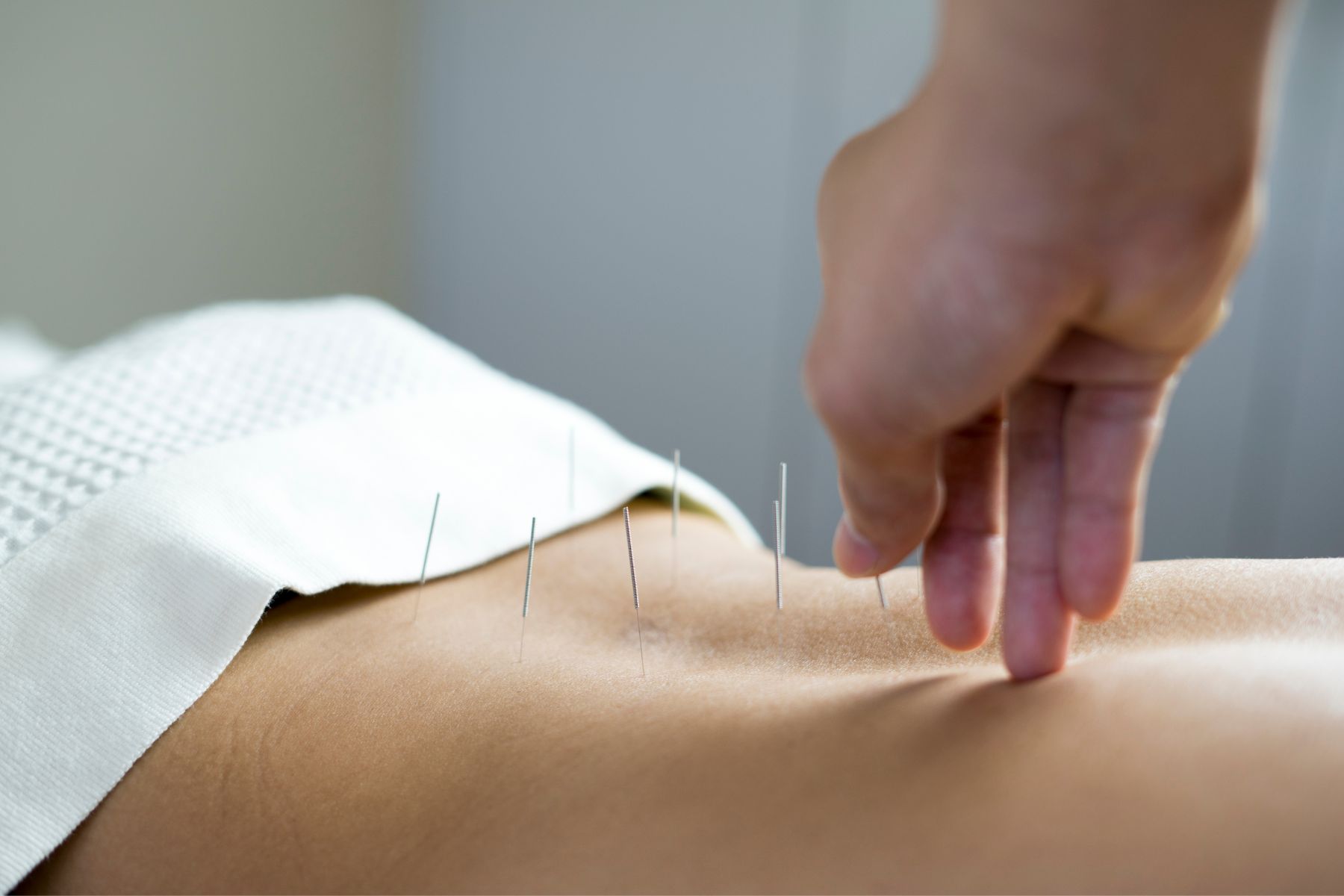
Prenatal
Menopause & Perimenopause
Women's Health Q & A
Can Chinese medicine improve women’s health?
Chinese medicine offers women an alternative way to care for their health. Instead of pain medications and uncomfortable procedures, with Chinese medicine, you can enjoy health support via:
- Acupuncture
- Herbal Chinese therapy
- Massage
- Therapeutic nutrition counseling
Together or alone, these therapies and supports can transform women’s health.
Can traditional Chinese medicine increase fertility?
If you’re struggling to get pregnant, Chinese medicine may help you become more fertile. Typically, they work by balancing your whole body, thereby making your body, including your reproductive system, work better.
When appropriate, Chinese herbal medicine may be considered as part of an individualized plan for menstrual-cycle and reproductive-health concerns. Herbal recommendations should account for medications, fertility treatment, pregnancy status, and each patient’s health history.
How can acupuncture support women’s health?
Acupuncture offers women a sustainable, noninvasive, and nonchemical way to address a variety of women's health issues, supporting women during different periods of their lives. Examples include:
PMS
Acupuncture may support menstrual-cycle health and help some patients manage concerns such as cramps, headaches, tension, and other PMS symptoms.
Menopause and perimenopause
Similarly, acupuncture, alone or with Chinese herbal therapy, can help relieve menopause and perimenopause symptoms, including hot flashes, anxiety, insomnia, night sweats, vaginal dryness, and heart palpitations.
Pregnancy and postpartum
During pregnancy, acupuncture can reduce morning sickness, lower back pain, and pelvic discomfort. During postpartum recovery, acupuncture may offer complementary support for stress, sleep, physical discomfort, and overall recovery. Symptoms of postpartum depression require prompt evaluation by a qualified medical or mental-health professional.
Aging
Acupuncture can reduce wrinkles and fine lines and reduce facial puffiness associated with aging. It works because it stimulates the circulatory system and increases the blood flow to the face.
Acupuncture can also address issues that affect women more than men, such as:
Depression and anxiety
Acupuncture treatments can help depression, anxiety, and panic attacks by lowering blood pressure and reducing stress. It also helps reduce hormonal anxiety. Note that you should never stop taking your prescribed medications without consulting your physician first.
Fibromyalgia
Acupuncture can reduce the pain of fibromyalgia by stimulating the release of “feel good” chemicals and painkilling chemicals in the brain.
Acupuncture can also help with pain from fibroids and endometriosis.
If you’re ready to apply the ancient wisdom of traditional Chinese medicine to your female health concerns, contact Lisa today for a consultation. To schedule yours, call or use the online booking tool.
My Approach to Women's Health
Personalized women’s health acupuncture in Evanston for every stage of life
Women’s health concerns rarely occur in isolation. Changes in the menstrual cycle, sleep, digestion, stress, energy, pain, and mood can all affect how you feel. That is why I take time to understand the full picture rather than treating only one symptom.
During your first appointment, we’ll talk in depth about your symptoms, health history, medications and supplements, menstrual or reproductive history when relevant, and what you hope to gain from treatment. From there, I’ll create an individualized treatment plan based on your particular needs.
I regularly work with patients seeking support for:
• PMS and painful or irregular periods
• Perimenopause and menopause
• Hot flashes, night sweats, and sleep changes
• PCOS, endometriosis, and fibroids
• Fertility, IVF, and IUI
• Pregnancy and postpartum recovery
• Stress, anxiety, headaches, fatigue, and pain
Acupuncture may be used alongside conventional healthcare as part of a broader approach to your well-being. When appropriate, I am happy to work in coordination with your physician, midwife, fertility specialist, physical therapist, or other healthcare providers.
Women’s Health Frequently Asked Questions
How many treatments will I need?
Treatment frequency depends on your symptoms, how long they have been present, and your individual goals. Some patients begin with weekly appointments and then adjust the schedule as their symptoms change. We’ll discuss a treatment plan that feels both supportive and manageable.
Can I receive acupuncture while taking medication or hormone therapy?
In many cases, yes. Please let me know about any medications, hormones, herbs, or supplements you are taking so I can plan your treatment appropriately. Acupuncture is intended to complement your existing healthcare, not replace medication or treatment prescribed by your medical provider.
What should I expect during my first appointment?
Your first visit includes plenty of time to discuss your primary concerns and health history. We may also talk about sleep, digestion, stress, energy, pain, and menstrual or reproductive health when relevant. Your acupuncture treatment will then be tailored to what you need that day.
What is acupuncture?
Acupuncture is an ancient Chinese health practice that involves the use of sterile needles. During an acupuncture session, practitioners place these needles in your skin at various acupuncture points.
The goal of acupuncture is to relieve pain, discomfort, and various emotional, behavioral, and physical health problems.
How does acupuncture work?
According to traditional Chinese medicine, the body has more than 2,000 acupuncture points, which connect with the meridians. Meridians are pathways that move like rivers and conduct energy, or qi, between the body’s organs and surfaces.
When a meridian becomes blocked, your qi can’t flow correctly, and your mental, physical, spiritual, and emotional health can suffer in various ways.
Traditional acupuncture, also known as five-element acupuncture, also operates on the concept that five universal elements (earth, wood, fire, water, and metal) affect your emotions, health, and personality. Everyone feels one element more powerfully than the others.
By inserting needles at carefully selected points, acupuncturists stimulate the flow in the blocked area and restore the balance of yin and yang in the body.
Western scientists have various theories on acupuncture. For example, some believe that it works by activating the central nervous system and causing it to release chemicals that either change how the body experiences pain or alter the body’s self-regulating system.
How can acupuncture help me?
At her practice, Lisa offers acupuncture therapy for countless ailments and conditions, including:
💚Migraines and other headaches 💚Lower back pain 💚Neck pain 💚Knee pain 💚Osteoarthritis pain 💚Respiratory issues 💚Digestive problems 💚Emotional and mental health struggles, such as anxiety and depression
Acupuncture can also help with things like addiction control, smoking cessation, chronic fatigue, and bladder dysfunction. Some patients even turn to acupuncture for help with allergy symptoms.
Does acupuncture hurt?
Typically, acupuncture does not hurt. In fact, you can barely feel their insertion into the skin. During treatment, you may sense a feeling of movement or spreading, or perhaps an achy or heavy sensation. Practitioners call this sensation de qi.
At the end of your session, you’ll likely feel deeply relaxed and calm.
To learn if it might be a good fit for you, schedule an appointment with Lisa online or over the phone today.
Book by Treatment
Lisa Meyerson
Book NowBlogs
Recent articles from my blog.

.jpg)
.jpg)
