
If you feel more anxious, exhausted, or emotionally fragile during the winter months, you’re not imagining it — and you’re not doing anything wrong.
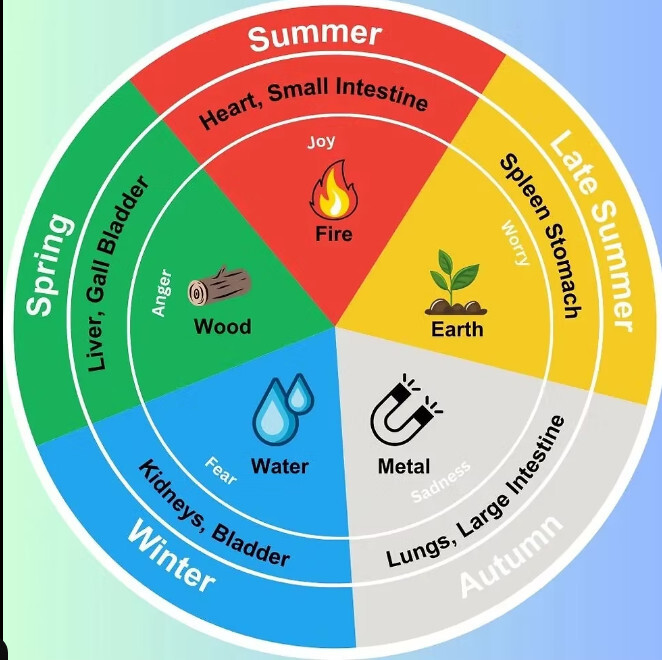
From the perspective of Chinese medicine, winter anxiety and fatigue are physiological responses, not character flaws. This season places unique demands on the body, especially on the Kidney system, which governs our deepest reserves of energy and our ability to feel safe, grounded, and restored.
Understanding this can be profoundly relieving. It shifts the question from “What’s wrong with me?” to “What does my body need right now?”
Winter and the Kidney System in Chinese Medicine
In East Asian medicine, each season corresponds to an organ system. Winter is associated with the Kidneys, which are responsible for:
-
Deep vitality and stamina (Qi and essence)
-
Sleep and long-term recovery
-
Nervous system regulation
-
The emotion of fear
The Kidneys help us adapt to stress and uncertainty. When they are well-supported, we feel resilient and steady. When they are depleted, anxiety can feel deep, primal, and hard to reason away.
Chronic fear, prolonged stress, overwork, and lack of rest all drain Kidney Qi.
Winter, with its shorter days and colder temperatures, naturally asks us to slow down. When we keep pushing instead, depletion shows up more clearly.
Signs of Kidney Qi Depletion
Kidney-related anxiety often feels different from everyday stress. You may notice:
-
Anxiety that feels “in your bones”
-
Difficulty falling or staying asleep
-
Persistent fatigue that rest doesn’t fully resolve
-
Feeling easily overwhelmed or emotionally fragile
-
A sense of burnout or lack of reserves
This kind of anxiety isn’t about mindset. It’s about resources — your body is signaling that its reserves are low.
Acupressure for Calming the Nervous System
Acupressure is a gentle way to support your system between acupuncture treatments.
KD1 (Yongquan) – Grounding and calming
-
Location: On the sole of the foot, in the soft depression just below the ball of the foot
-
How to use: Massage or press firmly for 60–90 seconds
-
Benefits: Draws energy downward, quiets racing thoughts, and helps settle anxiety
PC6 (Neiguan) – Nervous system support
-
Location: Inner forearm, about three finger-widths below the wrist crease
-
How to use: Gentle pressure for 1–2 minutes on each side
-
Benefits: Supports emotional regulation, sleep, anxiety, and chest tightness
These points are especially helpful in the evening or when you feel overstimulated.
Winter Nutrition: Warmth Is Medicine
In winter, food should nourish, warm, and restore. Cold and raw foods require more energy to digest and can further drain already-low reserves.
Supportive winter foods include:
-
Long-simmered soups and stews
-
Miso, broths, and congee
-
Root vegetables such as sweet potatoes, carrots, parsnips, and turnips
Warm, cooked foods support digestion, which in turn supports emotional stability and energy production.
Herbal Support for Fear and Fatigue (Educational Overview)
Chinese herbal medicine is always individualized, but certain herbs are commonly used when anxiety is rooted in exhaustion rather than excess.
Zhi Gan Cao (Honey-Fried Licorice Root)
This gentle, sweet herb is often used when people feel depleted and emotionally fragile.
In Chinese medicine, Zhi Gan Cao:
-
Supports Qi without overstimulation
-
Softens tension in the chest and nervous system
-
Helps the body feel steadier and more supported
It’s frequently used for people who feel “wired but tired,” shaky, or worn down by stress.
Fu Ling (Poria Mushroom)
Fu Ling is grounding, neutral, and widely tolerated.
It is traditionally used to:
-
Support digestion and energy production
-
Ease mental rumination and overthinking
-
Calm the spirit and support sleep
Rather than sedating, Fu Ling helps create internal stability, allowing the nervous system to settle naturally.
Herbs should always be prescribed by a trained practitioner based on your unique pattern.
A Note on Rest (and Humor)
There’s a popular belief that anxiety can be solved by thinking harder or staying positive.
But in Chinese medicine, the truth is simpler:
Your kidneys don’t respond to motivational quotes.
They respond to naps.
Rest is not laziness. In winter, it’s treatment.
How Acupuncture Helps
Acupuncture works directly with the nervous system and the Kidney system to:
-
Reduce anxiety and stress responses
-
Improve sleep quality
-
Support emotional resilience
-
Rebuild deep energy reserves over time
Many people notice that with regular treatment, they feel calmer, sleep more deeply, and cope better with stress — even during the darkest months of the year.
Ready for Support?
If you’re experiencing anxiety, fatigue, sleep issues, or burnout, acupuncture can help your body restore balance and resilience.
Schedule acupuncture for anxiety, sleep, or burnout
Your body isn’t asking you to push harder.
It’s asking for warmth, rest, and care.

Lisa Meyerson
Contact Me
.jpg)
.jpg)
